
Let’s be honest, some tattoos just look cool. If you’re someone who wants more than just ink on skin, you’re probably wondering what certain designs stand for.
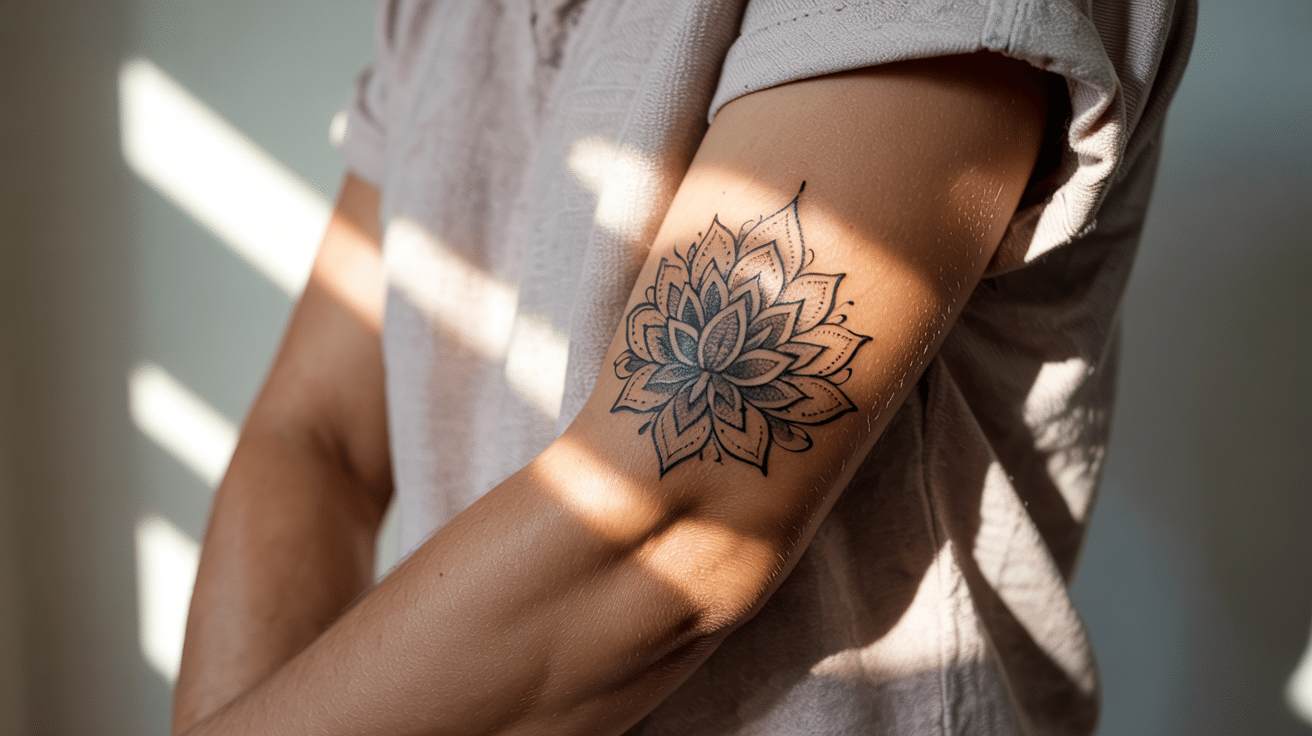
One design that keeps popping up is the mandala lotus flower tattoo. It’s not just pretty, it has a deeper story behind it.
In this blog, I’ll break down what this tattoo means, where it comes from, and some ideas to inspire your next tattoo, because some tattoos aren’t just about art; they carry a message.
So if you’ve ever asked yourself, “Is there a reason behind this tattoo?” – keep reading. You might find more than you expect.
What does a Mandala Lotus Flower Tattoo Really Mean
This design blends two powerful symbols, each with deep meaning. Let’s break down what each one stands for and what they mean together.
Mandala: A mandala is a symbol of wholeness, balance, and connection. In many cultures, the mandala represents the universe and the idea that everything is connected. The circular shape represents eternity, something that has no beginning or end. It’s often used in meditation to help calm the mind and focus on inner peace.
Lotus Flower: The lotus flower grows in muddy water but still blooms beautifully. That’s why it stands for rising above hard times, finding strength in struggle, and expanding into something better.
Put the mandala and lotus together, and you get a design packed with meaning. This tattoo can represent your personal growth, inner strength, and profound change through life. It’s a reminder that even through chaos or pain, you can find peace and rise into something better.
It’s also a quiet way to show that you believe in growth, peace, and progress, not perfection. You don’t have to be flawless to be whole.
Cultural and Spiritual Roots
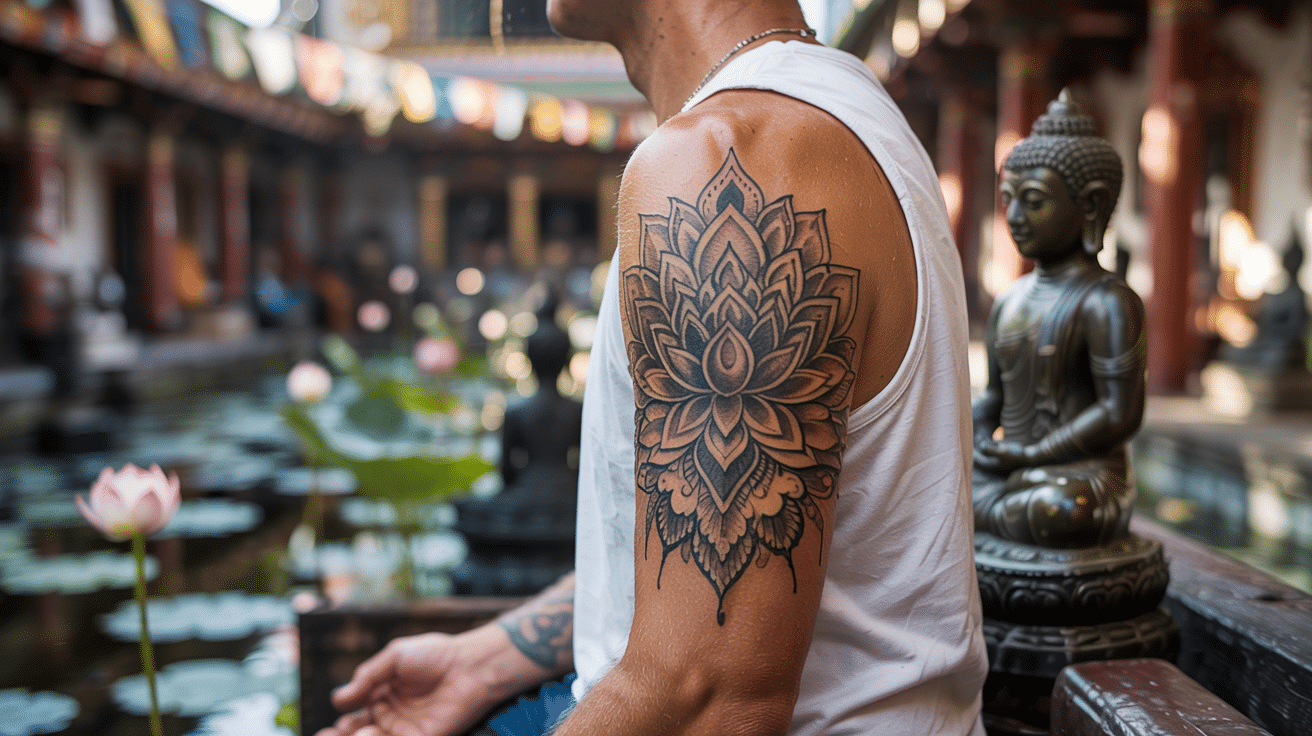
Before you get a mandala lotus tattoo, it helps to know where the symbols come from. Both the mandala and the lotus have deep ties to spiritual traditions that go back thousands of years.
Here’s what they mean in different cultures and why that matters.
Buddhism and Hinduism Connections
The mandala and lotus have deep roots in Eastern spirituality. In Buddhism, the lotus stands for enlightenment, the path of spiritual struggle towards awakening.
The mandala is a meditation tool that focuses the mind and reflects the universe’s harmony. In Hinduism, both symbols are linked to gods and spiritual paths, showing how the soul grows and connects with higher power.
These symbols are not just art, they’re tools for understanding the self and the world. Some monks even create full mandalas with colored sand, only to sweep them away as a lesson in impermanence.
Is it Cultural Appropriation?
You might wonder if getting this tattoo is disrespectful. It’s a fair question. While tattoos are personal, it’s important to understand where these symbols come from.
Many people choose to honor their memories with respect and care. If you’re drawn to a design, take time to learn its background and use it to connect, not to copy.
Talk with your artist about your reasons and ask questions. That kind of awareness turns the tattoo into something thoughtful, not just trendy.
Tattoo Design Ideas and Variations
Mandala lotus tattoos are popular because they’re symbolic, centered, and beautiful to look at. But they don’t all have to look the same.
You can customize this design by adding elements that reflect your values, personality, or life story. From subtle spiritual meanings to bold cosmic visuals, each variation brings something different.
Below are a few thoughtful ways to personalize your mandala lotus tattoo:
1. Ankle Lotus Mandala Tattoo
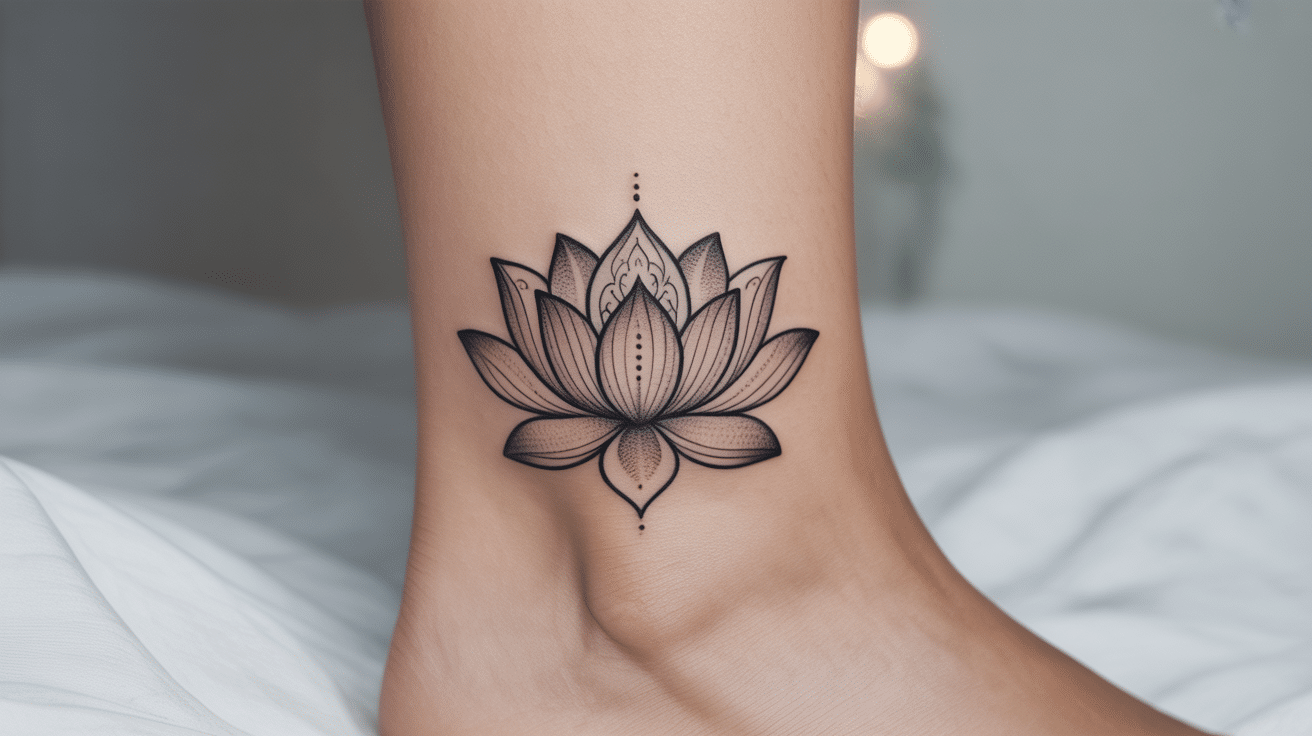
An Ankle Lotus Mandala Tattoo combines the graceful lotus flower symbolizing spiritual awakening and purity with the intricate geometric patterns of a mandala representing cosmic harmony and wholeness.
Delicately placed around the ankle, this design creates a beautiful ornamental effect like spiritual jewelry, with the circular mandala radiating outward from the central lotus bloom.
2. Geometric Lotus Mandala
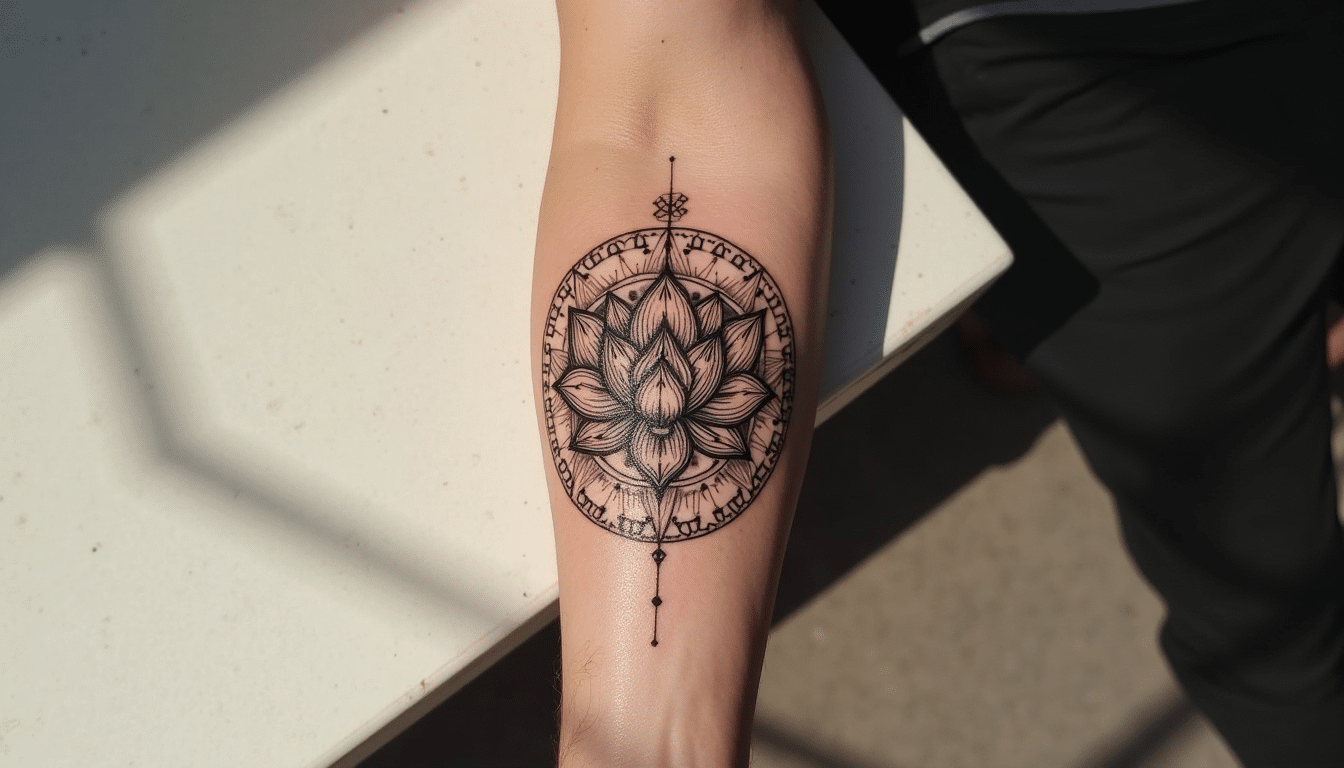
The Geometric Lotus Mandala combines mathematical precision with organic beauty, creating a powerful symbol of spiritual awakening and cosmic order.
This design merges the lotus flower, representing purity and enlightenment, with the mandala’s perfect geometric patterns, resulting in a mesmerizing tattoo.
This balances both masculine and feminine energies while serving as a meditative focal point for inner change and harmony.
3. Floral Mandala with Lotus Core
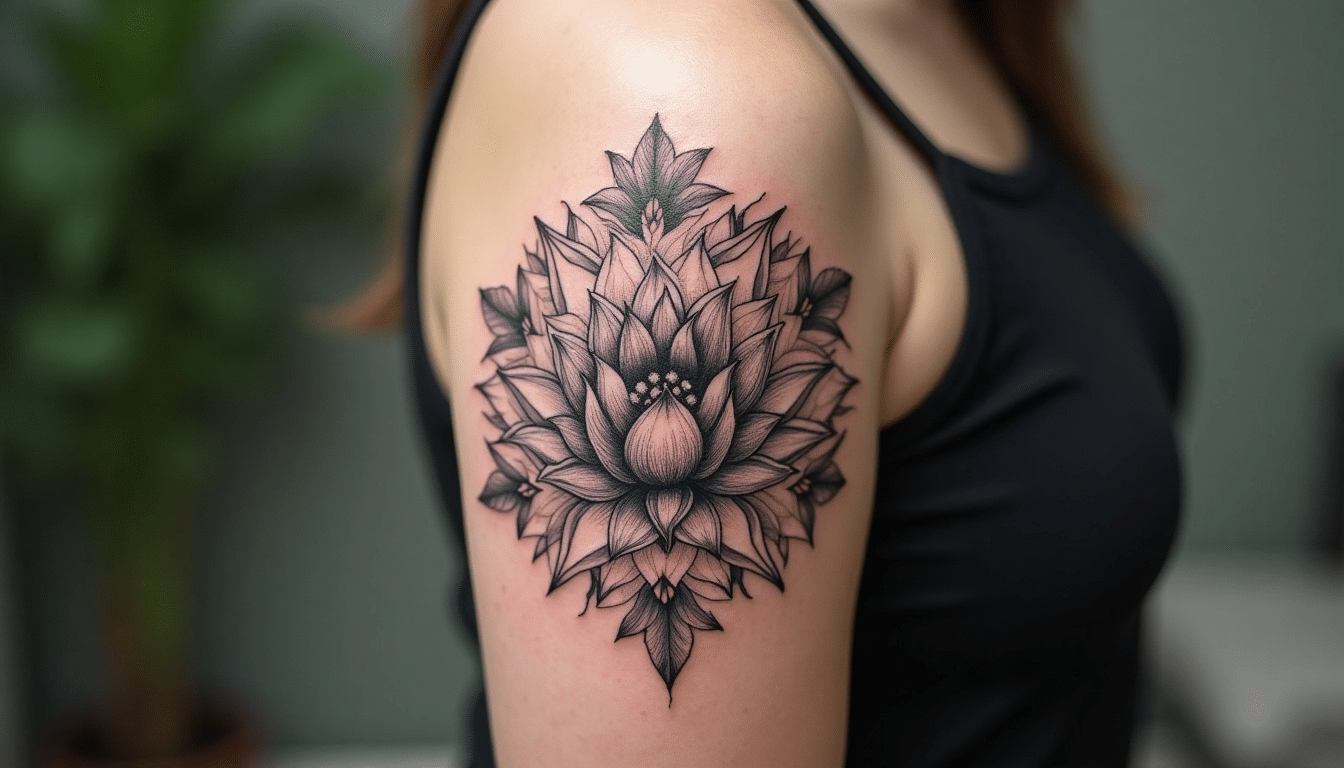
This design centers a sacred lotus—symbol of spiritual awakening and purity—within concentric circles of delicate floral patterns.
The lotus core represents your inner divine potential, while the surrounding floral mandala illustrates how that potential radiates outward into beautiful life experiences.
4. Behind-the-Ear Tiny Lotus Mandala
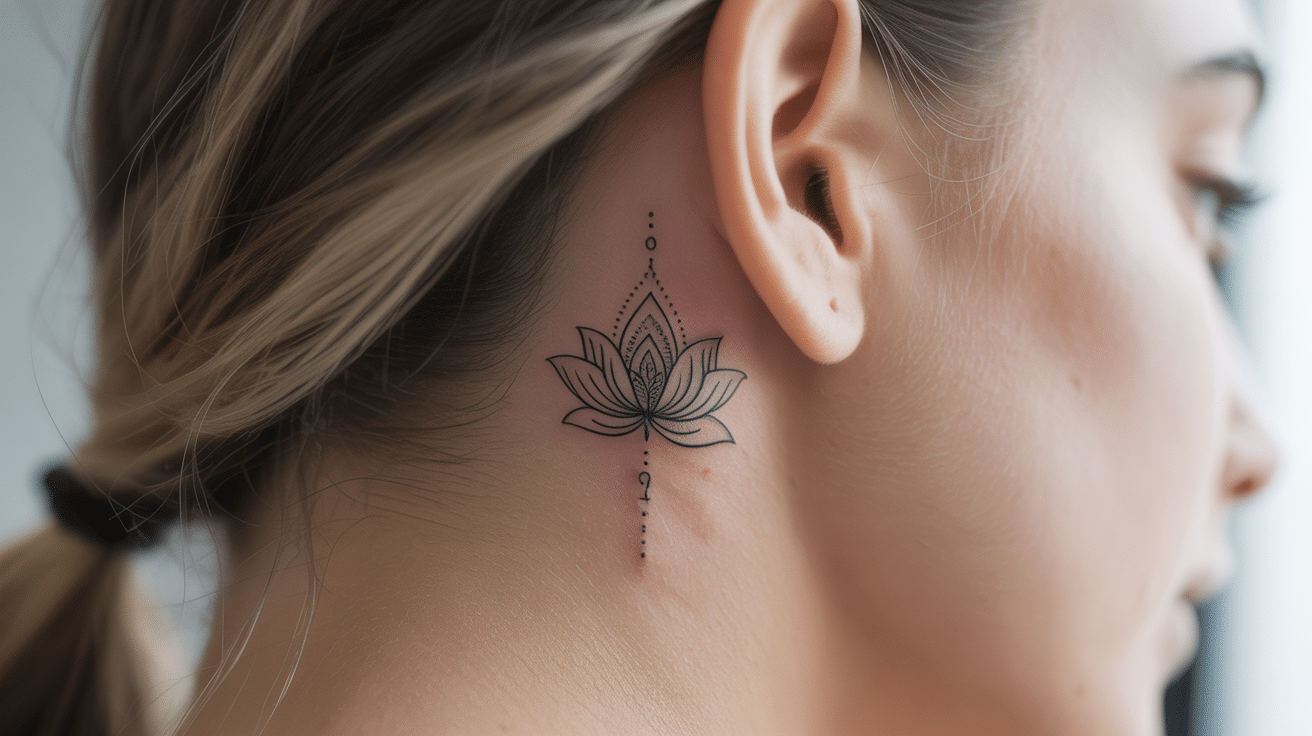
This delicate placement makes the lotus mandala into an intimate secret, visible only when hair is swept aside.
The behind-the-ear location offers a perfect canvas for a miniature version of this spiritual symbol, creating a subtle yet meaningful statement that remains largely private.
5. With Unalome
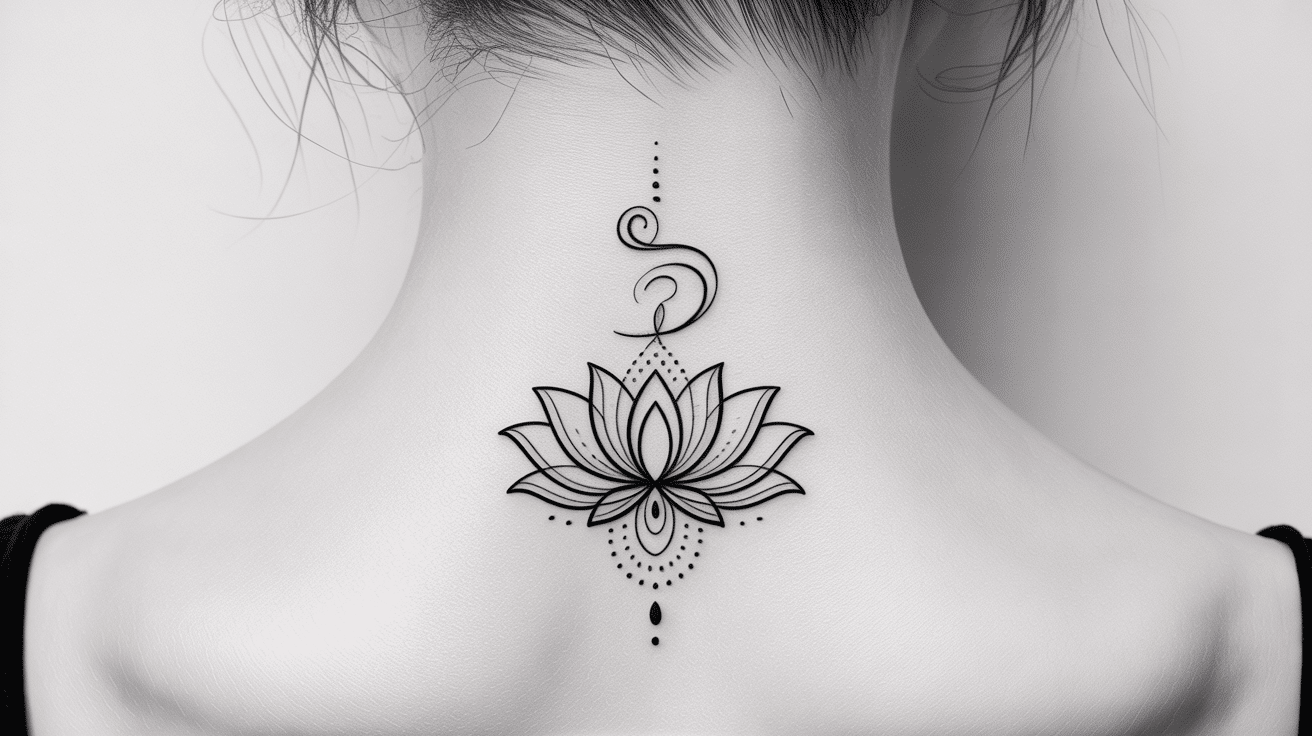
The unalome is a symbol of the path to enlightenment. It’s a winding line that straightens at the end, showing how we learn through life’s ups and downs.
It’s especially powerful if you’ve been through a lot and want your tattoo to reflect progress, not perfection. The unalome adds motion to the design—it tells a story of growth, resilience, and clarity after chaos.
You can keep it delicate or stylize it with dots, curves, or even small symbols along the line to personalize your path even more.
6. With Moon or Stars
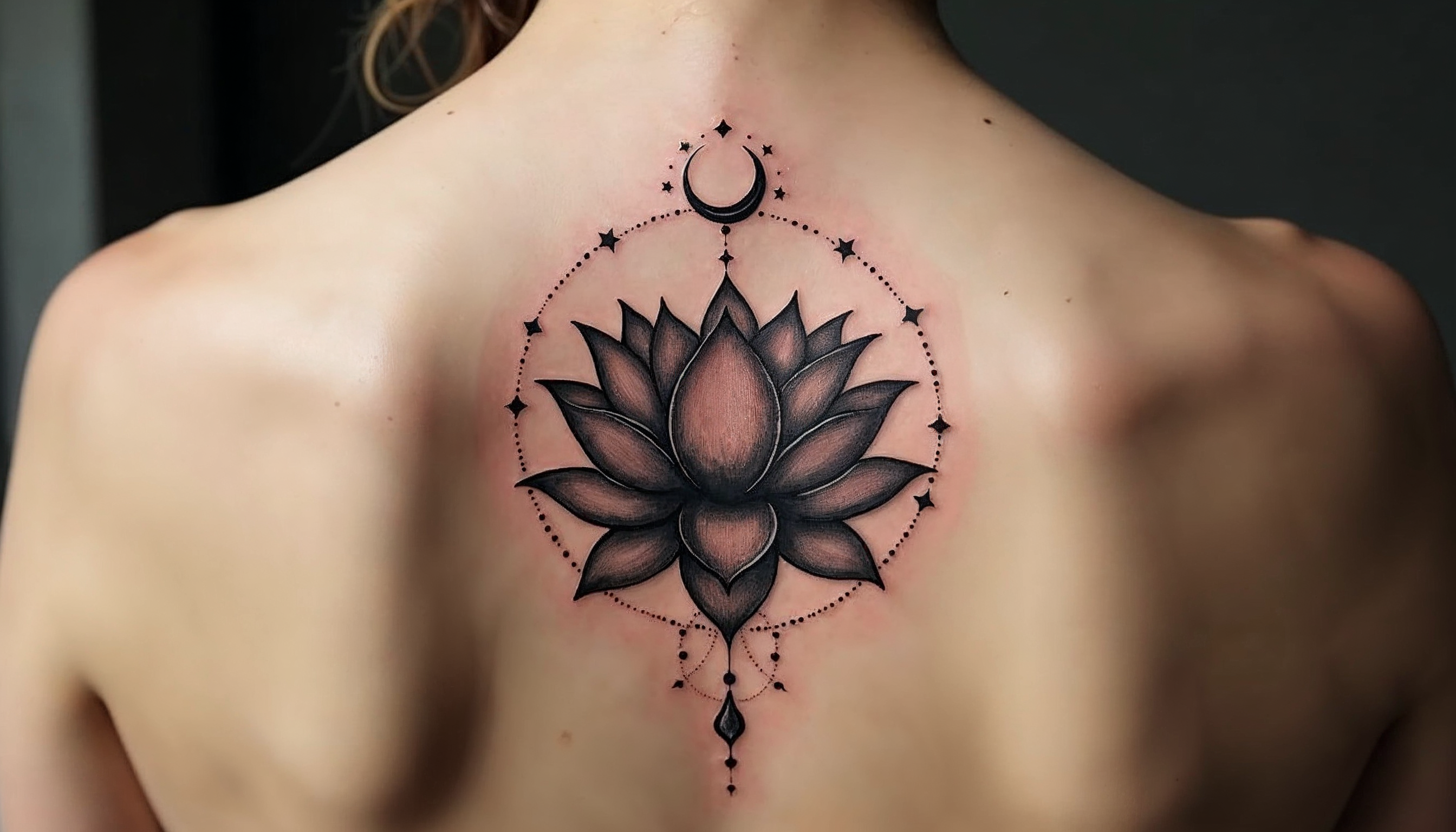
Adding a moon or stars gives the tattoo a cosmic feel. The moon often represents change, growth, and emotion, while stars can represent guidance or hope.
When paired with the mandala lotus, the design reflects your connection to the universe and your personal growth.
If you’re someone who feels drawn to nature, space, or astrology, this variation can be a quiet nod to your beliefs or identity.
7. Color And Black Ink
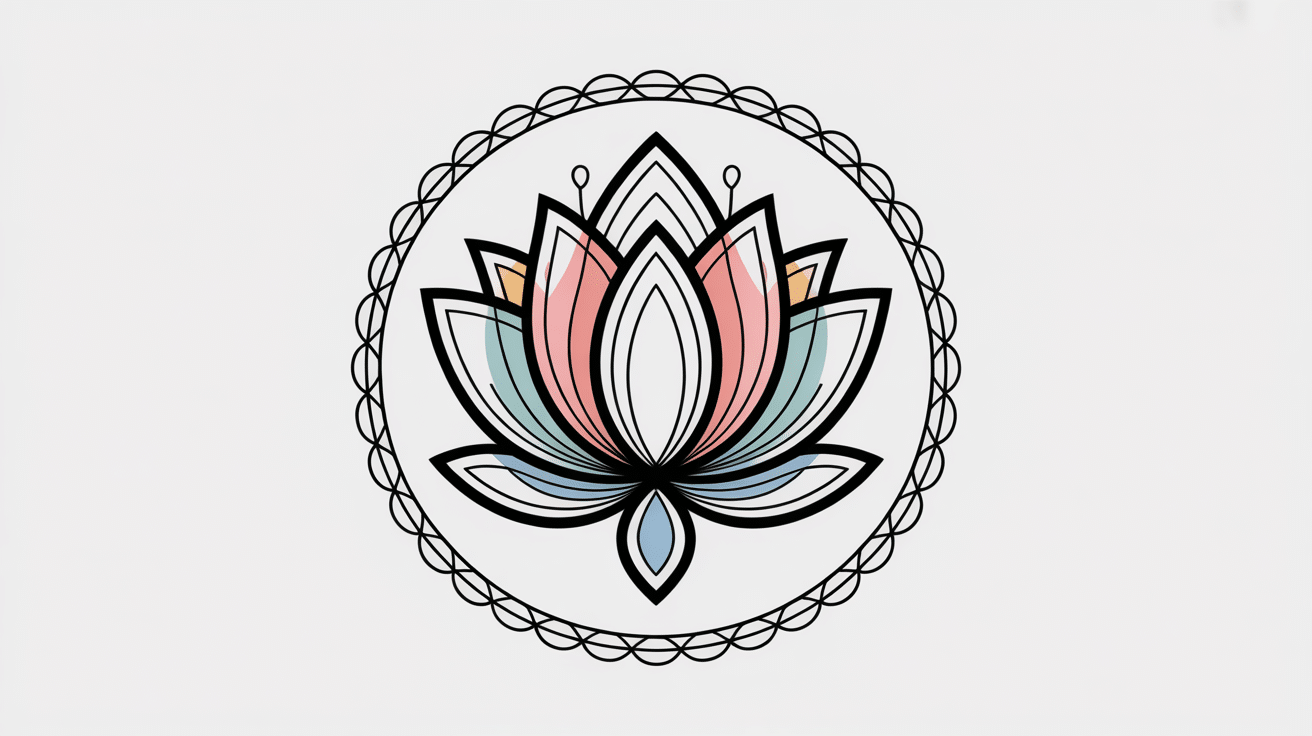
Black ink gives a bold, timeless look. It focuses more on the pattern and shape. Adding color, like soft pinks, blues, or purples, can bring emotion into the design. Each color has meaning, too. For example, white means purity, while blue means wisdom.
You can also blend tones for a more artistic look, like a watercolor wash behind the pattern to make it feel alive.
8. Bold Lotus Mandala Ink
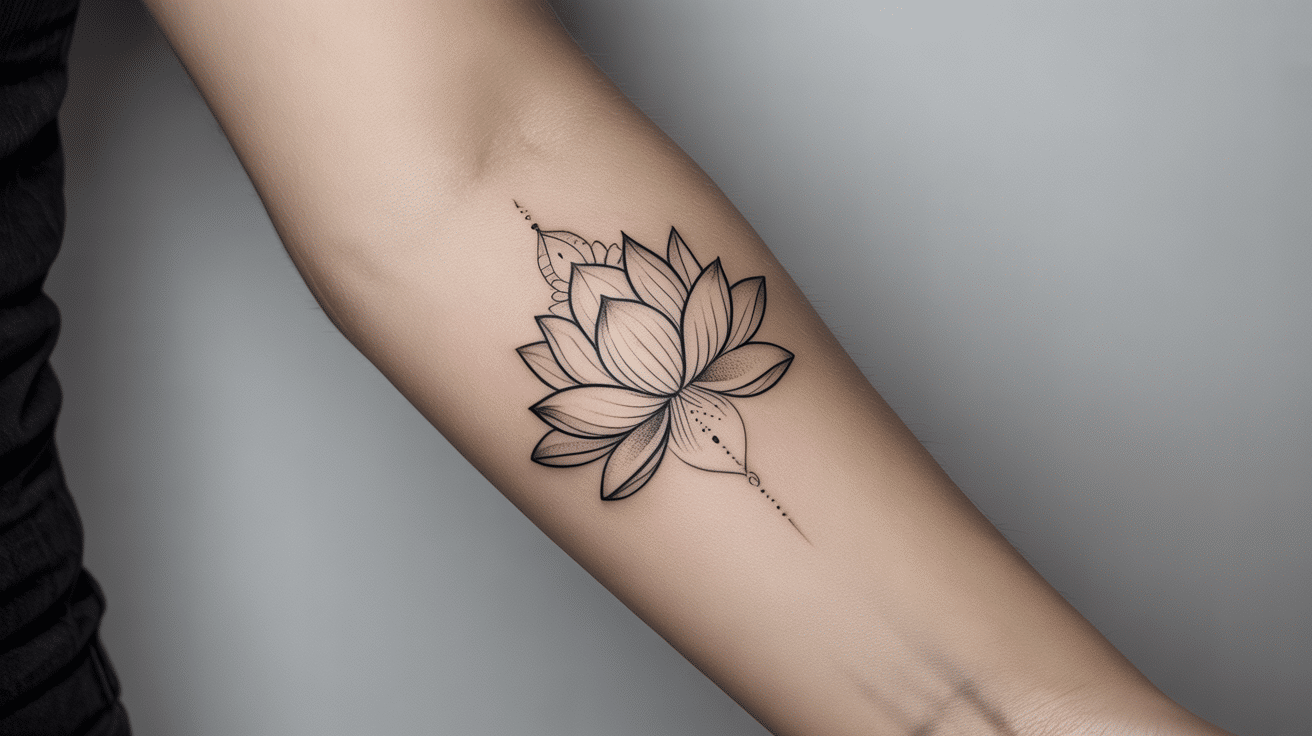
The forearm is a bold and open spot, perfect for a tattoo that symbolizes strength and growth. It’s easy to see every day, serving as a constant reminder of personal growth.
Because it’s a public-facing area, it also shows confidence and emotional maturity. This placement often reflects someone ready to embrace their story and show it to the world.
If you’re seeking visibility and daily motivation, the forearm is a strong choice.
9. Minimal
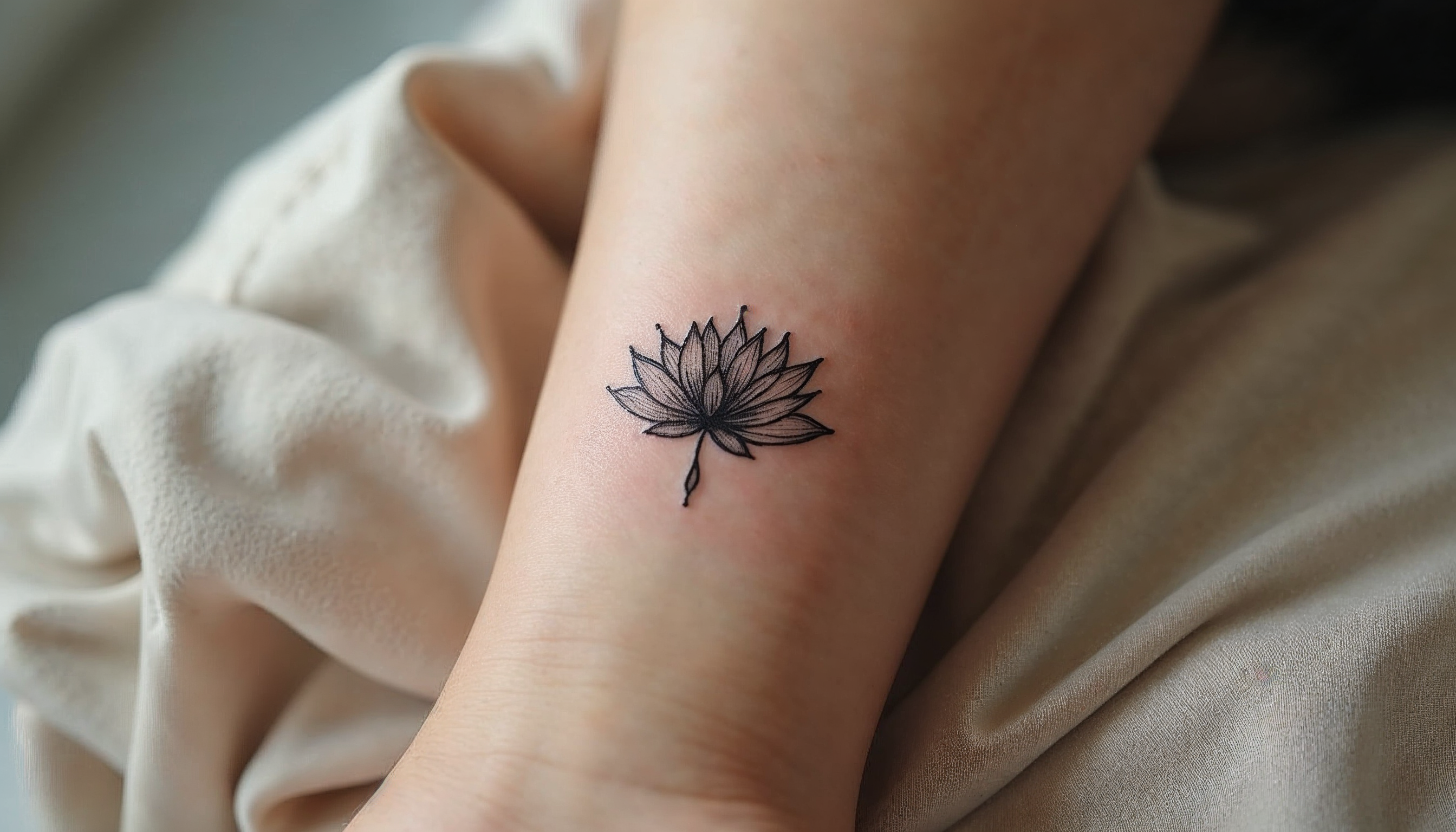
Getting a lotus tattoo on the wrist is subtle, but full of meaning. It sits close to the pulse point, making it feel emotionally and spiritually connected.
This spot is ideal for those who want to carry a quiet strength or reminder throughout the day. Many choose the wrist to hold something deeply personal, like a value, memory, or belief, close to the heart.
It’s a discreet yet powerful place, perfect for tattoos with emotional significance or symbols of resilience.
Personalizing Your Tattoo
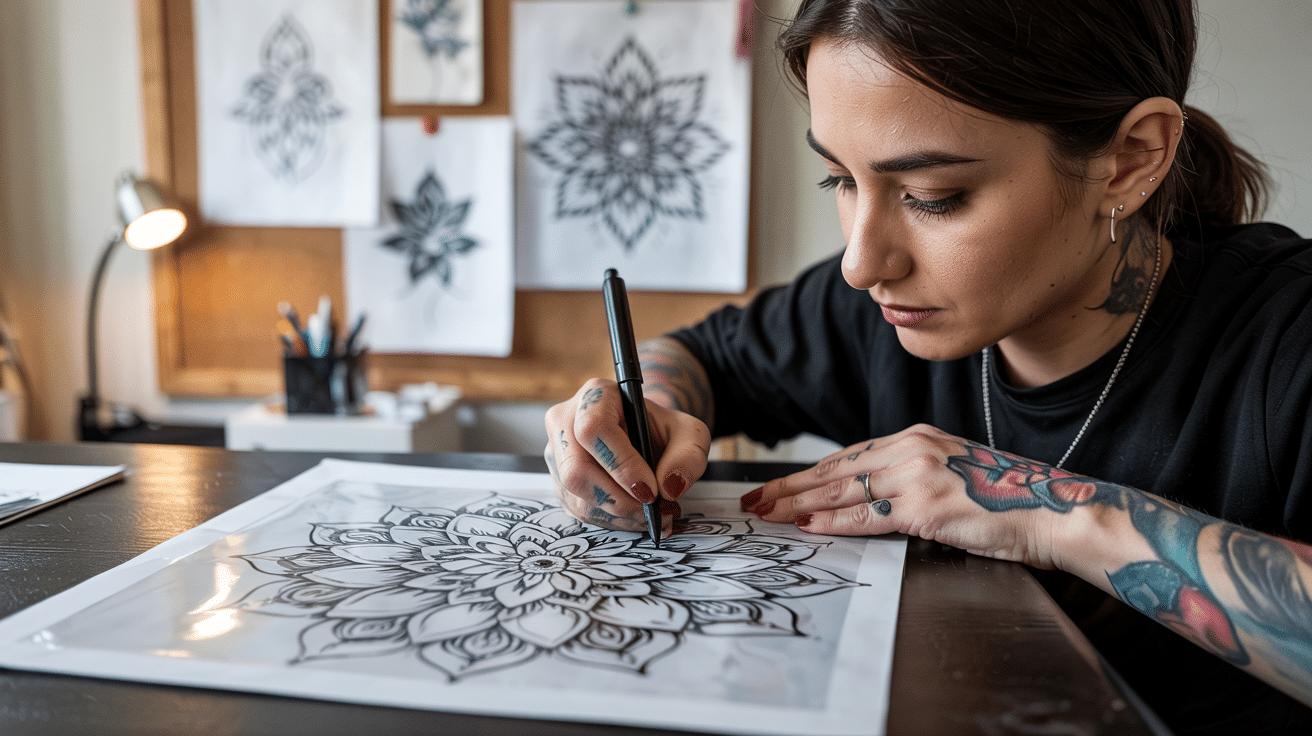
Your mandala lotus tattoo doesn’t have to follow a set template. You can shape it to tell your story by adding personal symbols, choosing the right style, and working with an artist who understands your vision.
When designed with intention, your tattoo becomes more than art; it becomes part of who you are.
Adding Personal Elements
Custom touches like birth flowers, meaningful quotes, or special dates make your tattoo uniquely yours. These elements help connect your spiritual symbol to your lived experiences.
For example, adding a zodiac sign or initials can represent relationships, identity, or important memories.
You can also include coordinates of a meaningful place or a word that holds personal strength.
These additions don’t just decorate the mandala lotus; they give it voice, turning a spiritual design into a reflection of your story.
Choosing a Style That Fits You
Tattoo style greatly affects how your mandala lotus feels. Dotwork can give the design a meditative, calm quality.
Watercolor introduces movement and emotion with soft, flowing colors. Fine line makes the tattoo look delicate, clean, and minimal. Each style adds a different energy and mood.
Think about your personality, values, or the message you want your tattoo to send. Your choice of style should match what feels natural and honest to you.
Working with the Right Artist
Finding the right tattoo artist is just as important as choosing the design. Look for someone with experience in mandala, floral, or spiritual tattoos. Check their portfolio and talk through your vision.
A good artist listens and helps bring your idea to life in a way that fits your story. They’ll also help refine placement, sizing, and detail so your design looks balanced and feels true to you.
Collaboration here makes a big difference in the final result.
Respecting Cultural Roots
If your mandala or lotus has spiritual or cultural significance, approach it with respect. Learn what it means and how it’s traditionally used. A thoughtful tattoo artist can help guide you so your design honors its origins.
This step avoids misuse and deepens the meaning behind your ink.
When you and your artist understand the symbol’s background, the final tattoo feels intentional and connected, not just stylish, but sincere.
Conclusion
Now you’ve got a better idea of what this beautiful lotus and mandala design can stand for. It’s a sign of peace, growth, and inner strength.
Take time to think about how these ideas connect with your life. A tattoo like this can hold a personal meaning that lasts forever.
Let it remind you of how far you’ve come and where you’re headed. If this helped clear things up, don’t stop here. There’s a lot more to learn about meaningful tattoo ideas.
Check out my other blogs for more simple and honest info to help you choose a tattoo that truly fits you.